- oxyplusmedicalcentre@gmail.com
-
Mon - Sat, 10.00AM - 07.00PM

Understanding the Gut-Brain Axis for Better Mood Balance
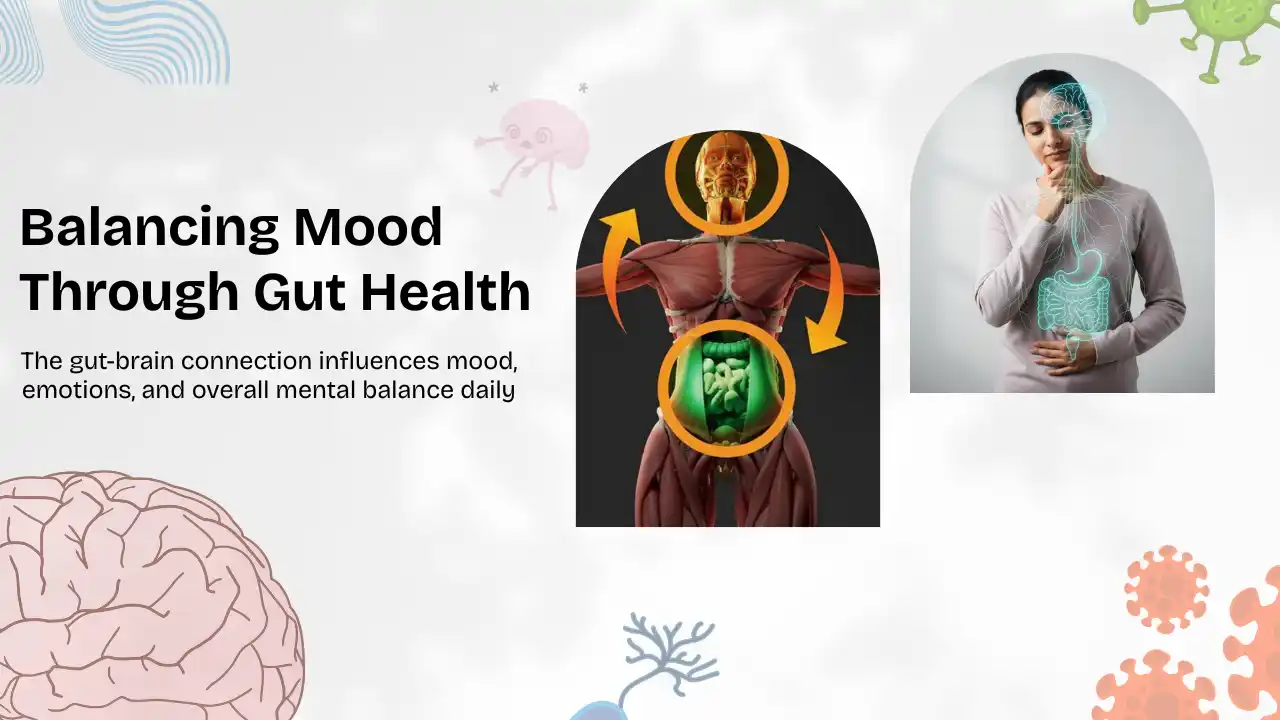
Have you ever noticed that your digestion is not in its usual state, you are not in a good mood? You may feel low, anxious, irritated, or mentally tired during days when your gut feels unsettled. This is not just a coincidence. The brain and gut are connected all the time, and what happens in one are likely to affect the other.
This close link is known as the gut-brain axis. Understanding this connection can help you make sense of daily mood changes and digestive discomfort. More importantly, it can lead you toward the action which supports your physical and physiological well-being in a steady, realistic way.
What Is the Gut-Brain Axis?
The gut-brain axis is the communication system between your brain and your digestive system. These two organs communicate with one another day in day out. They share information through nerves, hormones and the immune system.
The vagus nerve is one of the major pathways in this system. It acts like a two way highway, sending messages between the gut to the brain and back again. This means your thoughts and stress levels can affect digestion and your gut state can influence your emotional state.
This relationship underlies the fact that stress may lead to stomach upsets and the reverse holds true.
How Gut Bacteria Influence Your Mood?
Gut Bacteria Support Digestion
There are trillions of bacteria in the gut that help in the breakdown of food and absorb nutrients. With a good digestion, your body receives the fuel to keep you going with your energy and brain functioning.
Gut Bacteria Produce Mood Chemicals
Gut bacteria help to produce chemicals which transmit messages to the brain. Serotonin is one of the most significant chemicals, and it has an effect on emotional stability and mood balance.
Balanced Bacteria Send Clear Signals
These chemical signals move freely to the brain when the gut bacteria remain balanced. This supports calm thinking, better, focus and emotional control.
Imbalance Changes Brain Signals
When gut bacteria becomes unbalanced, messages sent to the brain may weaken or shift. This can impact on your emotional state and how you respond to stress.
Gut Inflammation Affect Mood Processing
The absence of the right gut balance can improve body inflammation. Ongoing inflammation may interfere with how the brain handles emotions and stress signals.
Mood Sensitivity Builds with Over Time
Gut inflammation does not cause mental illness.However, it can make one's mood feel more sensitive or less stable over time, during stress or fatigue.
Symptoms Your Gut May be Affecting Your Mood
Not everyone experiences the same symptoms but certain patterns are common. Paying attention to these signals can make you understand your body better.
-
Experiencing anxiety or low during periods of bloating or constipation.
-
Loss of clarity or low concentration after meals.
-
Irritability that appears with digestive discomfort.
-
Low energy with improved digestion.
-
Difficulty sleeping when gut symptoms flare up.
All these indications do not replace medical recommendations. They simply show how close gut health and emotional health are linked in everyday life.
Stress and Lifestyle Play a Big Role
Stress has a direct effect on digestion. Whenever you are stressed or feeling overwhelmed, the body shifts into a protective mode. This can slow the digestion process, change the gut movements and affect gut bacteria.
-
Lifestyle habits also shape how the gut and brain communicate.
-
Poor sleep can disturb gut rhythm and mood regulation.
-
Skipping food can stress the digestive system.
-
Rushing to eat influences digestion and comfort.
-
Spending a long time sitting may slow down gut movement.
Over time, these factors can strain the gut-brain axis. Small, steady changes often make a meaningful difference.
Improving Your Gut to Support Your Mood
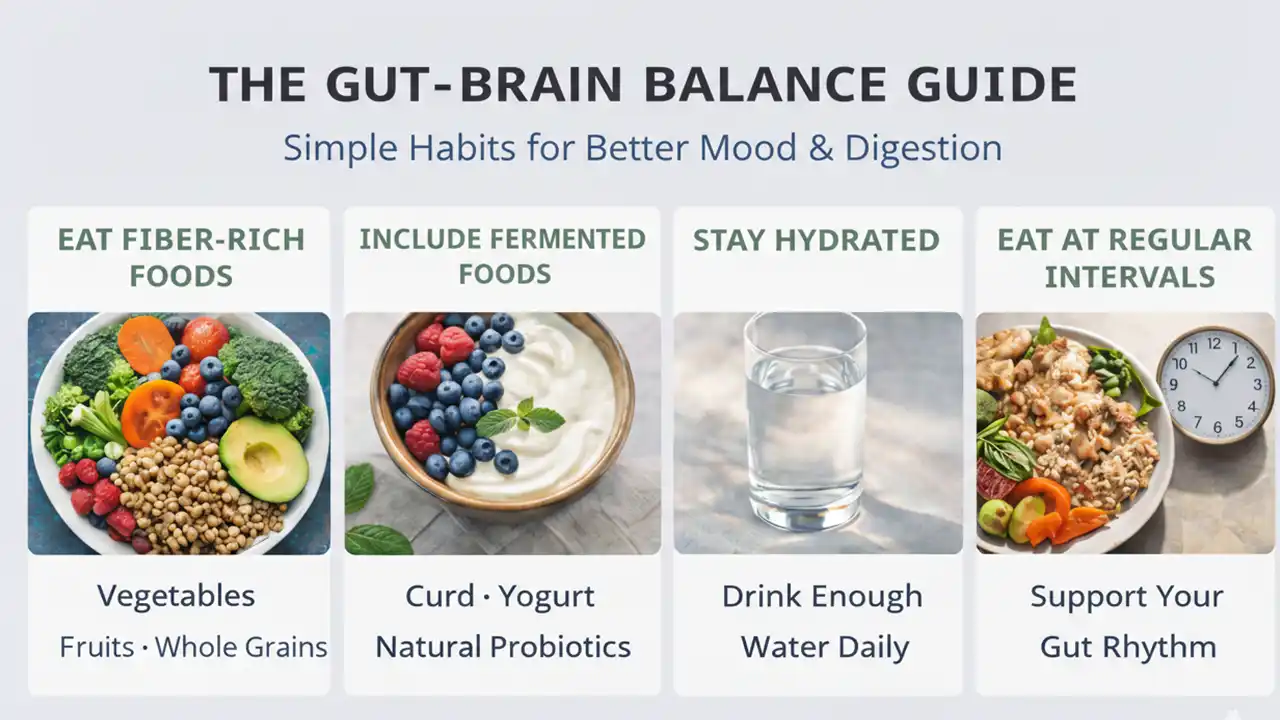
Improving gut health does not require an extreme diet or complex routine. Simple and consistent habits work best and easier to maintain.
-
Eating fiber-rich foods like vegetables, fruits, and whole grains support healthy bacteria.
-
Include fermented foods if they suit you, such as curd or yogurt.
-
Drink sufficient water to support smooth digestion.
-
Take meals at regular intervals to aid gut rhythm.
-
Practice low-level stress relief techniques like walking or deep breathing.
These steps support the gut environment, which in turn helps the brain to get clearer and consistent signals. Progress might be slow, but progress matters more than speed.
Professional Support When It Counts
In some cases, gut symptoms or mood change persist despite lifestyle care. Constant pain, weight changes or intense emotional suffering should not be ignored. Healthcare professionals can access gut health and mental well-being together. Early guidance is a preventive measure in avoiding long-term strain and supports better results. Asking for assistance is a practical step, not a failure.
Improve Your Gut & Brain Connection for Better Mood & Health
Your gut and brain are not separate systems. Both of them interact on a daily basis through the gut-brain axis. Understanding this connection can bring clarity to symptoms that once felt confusing or unrelated.
With the help of promoting digestion with the help of consistent routines, most individuals experience improved mood stability and clarity over time. Boost your gut health with colon hydrotherapy at Oxyplus Medical and Wellness Centre, supporting better digestion, microbial balance, and overall well-being. We believe informed awareness empowers better health choices. When you know how your body communicates, you gain more control over how you nurture your body calmly, realistically, and confidently .
Recent Blogs

Struggling to Lose Weight Despite Dieting? Find Out Why
September 16, 2026
Chronic Fatigue: The Real Causes Behind Your Tiredness
September 03, 2026
How the Gut-Brain Connection Affects Your Sleep Quality
July 30, 2026
How to Prevent Neck & Chronic Back Pain from Desk Work
July 21, 2026
How Peptide Therapy Helps Your Body Repair & Recover
July 20, 2026
Understanding the Link Between Gut Health & UTIs
July 06, 2026
Natural Back Pain Relief Without Surgery or Medicines
July 02, 2026
Common Signs of Toxin Buildup & Daily Detox Habits
Jun 29, 2026


What Happens During Colon Hydrotherapy & Is It Right for You
April 29, 2026
What is NAD IV Therapy? How Does It Support Aging & Energy?
April 28, 2026
Functional Medicine For PCOS Thyroid Hormonal Imbalance
April 09, 2026
What Is Glutathione & Why Does Your Skin Need It?
April 06, 2026

Common Signs of Vitamin and Mineral Deficiency
February 27, 2026
Is Your Gut Health Affecting Mood Through the Brain Axis?
February 18, 2026
Ozone Therapy 101: Boost Immunity with Medical Oxygen
February 16, 2026