- oxyplusmedicalcentre@gmail.com
-
Mon - Sat, 10.00AM - 07.00PM

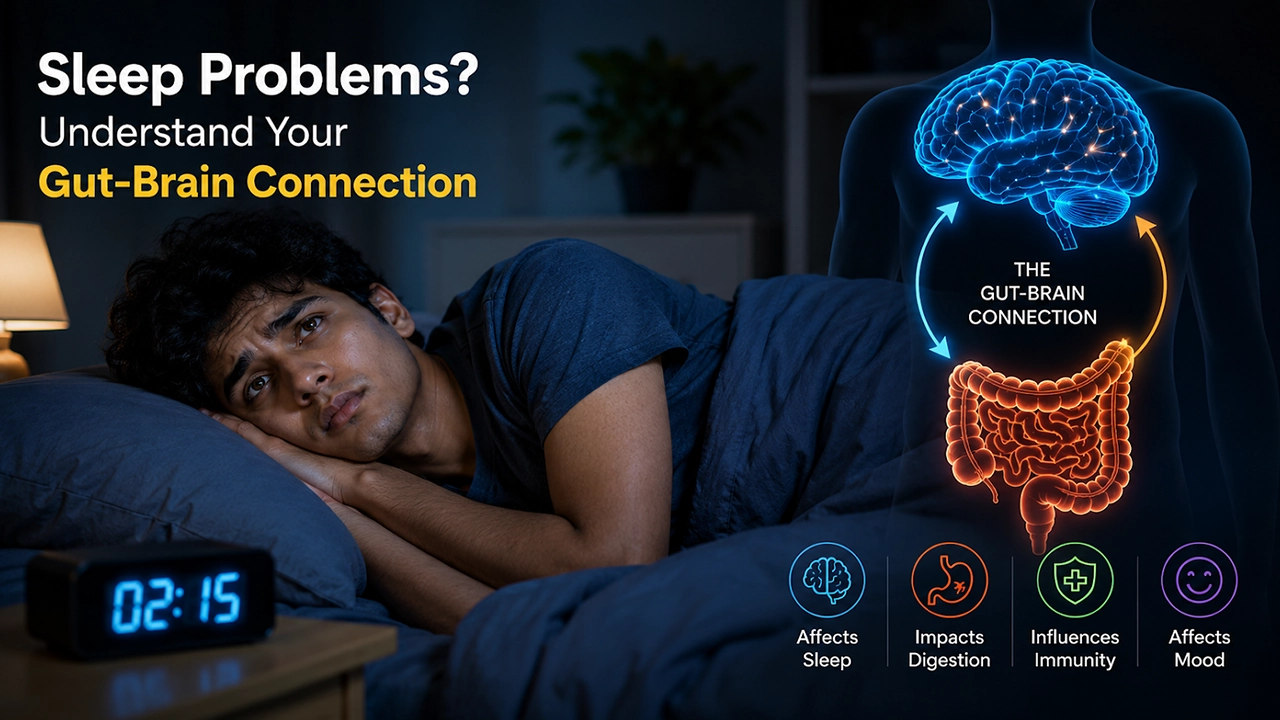
Sleep Problems? Understand Your Gut-Brain Connection
Most people assume poor sleep starts in the brain. Stress and late-night scrolling do play a part. But your gut matters here too. Inside your digestive system, trillions of microbes work quietly, helping to digest food, strengthening the immune system, and staying in constant contact with your brain.
This two-way connection is known as the "gut-brain axis”. It plays a key role in mood regulation, relaxation and sleep quality. The signals function well when your gut is working properly. An imbalanced gut can disrupt sleep.
Restless nights? Feeling tired after a long sleep? Your gut may need more attention than you think. This blog explains the gut-brain-sleep connection, signs that your gut is unhealthy, and how simple daily routines can benefit both you and your gut.
What is the Gut-Brain Connection?
The brain and gut communicate through three main systems — nerves, hormones, and the immune system. One of the major paths for this connection is the vagus nerve. It links the brain to the digestive system. Together, these systems help regulate mood, stress response, memory, relaxation and sleep.
This signaling route can be affected if the gut microbiome is out of balance. This might make sleep light, interrupted, or not restful.
How Does Gut Health Support Sleep Hormones?
Your gut does more than digest food. It also helps produce important hormones and natural chemicals.
| Gut Function | Sleep Connection |
|---|---|
| Produces about 95% of the body's serotonin | Serotonin converts into melatonin, the hormone that controls your sleep |
| Houses trillions of gut bacteria | These bacteria help produce and regulate serotonin levels |
| Reacts to stress hormones | High cortisol from gut inflammation can delay melatonin release |
| Manages digestion timing | Late, heavy digestion competes with your body's wind-down process |
Most people assume melatonin comes only from the brain. In reality, the gut plays a direct role in producing the nutrients needed to support healthy sleep hormones.
How an Unhealthy Gut Disturbs Sleep
The good bacteria in the gut become unbalanced. This condition is known as gut dysbiosis. It can affect sleep in several different ways.
-
Low serotonin levels reduce melatonin production, making it harder to fall asleep.
-
Gut inflammation keeps the brain alert when it should be relaxing by sending stress signals to it.
-
Poor nutrient absorption can cause low magnesium and B vitamin levels. These two elements are necessary for sleep and relaxation.
-
Bloating, acid reflux or stomach pain may disrupt sleep. Physical pain may wake you up at night.
An unhealthy gut might affect blood sugar control. Sudden drops in blood sugar could wake you up at night unexpectedly.
Signs Your Gut May Be Affecting Your Sleep
Sleep problems linked to gut health often come with other symptoms.
-
Frequent bloating
-
Gas after meals
-
Constipation
-
Diarrhea
-
Acid reflux
-
Stomach discomfort at night
-
Feeling tired after eating
-
Frequent sugar cravings
-
Mood changes
-
Trouble handling stress
One symptom alone doesn’t always indicate a gut imbalance. But if several appear together, your digestive health may need attention.
What Actually Helps: Practical Steps
Little changes can significantly make a difference in sleep and the gut. Try these easy actions that will help you over time.
Eat dinner earlier
Finish your dinner two to three hours before bed. This gives your body enough time to digest meals.
Include fermented foods
Include fermented foods such as yogurt, curd, and idli in your diet. They support digestion and good gut microorganisms.
Take fibre-rich foods
Include fibre-rich foods in your daily diet, such as fruits, vegetables, and whole grains. Having these earlier in the day helps to reduce late-night digestive discomfort.
Limit caffeine & alcohol
Reduce alcohol and caffeine, particularly late in the evening. They may disrupt sleep and trigger gut issues.
Reduce daily stress
Spend time relaxing with deep breathing or walking. Less stress improves brain-gut coordination.
Follow a regular sleep schedule
Go to bed and wake up at the same time. A consistent plan helps your gut and natural sleep.
Drink enough water
Avoid drinking too much water close to bedtime to prevent disrupted sleep from nighttime bathroom trips.
Foods That Helps vs Foods That Hurt
| Helps Gut and Sleep | Hurts Gut and Sleep |
|---|---|
| Curd and Buttermilk | Greasy, fried food |
| Bananas | Late-night sugary desserts |
| Walnuts and Almonds | Alcohol |
| Warm turmeric milk | Heavy caffeine |
| Oats | Spicy snacks |
When to See a Doctor
Try lifestyle changes for a few weeks. If you notice the following symptoms, consult a doctor:
-
Sleep problems lasting more than a month despite lifestyle changes
-
Frequent digestive issues, not just occasional discomfort
-
Unexplained weight loss or gain
-
Blood in stools or persistent acid reflux
-
Severe daytime fatigue despite getting enough sleep
These could point to an underlying condition that needs proper diagnosis, not just diet changes.
Support Your Gut for Better Sleep and Overall Health
Good sleep is not just about your bedroom routine. Your gut helps the body relax, recover, and maintain a healthy sleep cycle.
A healthy gut supports brain communication, helps keep mood stable, and promotes restful sleep. No single food or supplement fixes everything. But little changes, such as increasing fiber intake, lowering stress, increasing activity, and following regular sleeping habits.
If poor sleep continues even after lifestyle adjustments, talk to a doctor at Oxyplus Medical & Wellness Center. We address sleep issues, lifestyle factors, and gut health to get better long-term outcomes.
Recent Blogs

Struggling to Lose Weight Despite Dieting? Find Out Why
September 16, 2026
Chronic Fatigue: The Real Causes Behind Your Tiredness
September 03, 2026
How the Gut-Brain Connection Affects Your Sleep Quality
July 30, 2026
How to Prevent Neck & Chronic Back Pain from Desk Work
July 21, 2026
How Peptide Therapy Helps Your Body Repair & Recover
July 20, 2026
Understanding the Link Between Gut Health & UTIs
July 06, 2026
Natural Back Pain Relief Without Surgery or Medicines
July 02, 2026
Common Signs of Toxin Buildup & Daily Detox Habits
Jun 29, 2026


What Happens During Colon Hydrotherapy & Is It Right for You
April 29, 2026
What is NAD IV Therapy? How Does It Support Aging & Energy?
April 28, 2026
Functional Medicine For PCOS Thyroid Hormonal Imbalance
April 09, 2026
What Is Glutathione & Why Does Your Skin Need It?
April 06, 2026

Common Signs of Vitamin and Mineral Deficiency
February 27, 2026
Is Your Gut Health Affecting Mood Through the Brain Axis?
February 18, 2026
Ozone Therapy 101: Boost Immunity with Medical Oxygen
February 16, 2026