- oxyplusmedicalcentre@gmail.com
-
Mon - Sat, 10.00AM - 07.00PM

Can a Gut Detox Help Prevent Recurring Urinary Tract Infection?
Urinary tract infections, known as UTIs, affect millions of individuals every year. They occur in both men and women, but women experience them more often and may face recurring episodes. Many patients focus only on the bladder when treating UTIs. But research shows that gut health could also play an important role in urinary health.
A UTI typically causes pain or burning while urinating, a frequent urge to use the bathroom, and general discomfort in the lower abdomen. But most of the bacteria do not originate in the bladder. They are gut bacteria that got out of hand.
Supporting gut health as part of UTI management is not an alternative concept — it is backed by growing research.

Where Does E. Coli Live Before Causing UTI?
Most UTIs are caused by a strain of E. coli bacteria that originates in the gut. The researchers compared the E. coli found in stool samples from the same patients. They discovered the same bacterial strains in both, showing that bacteria can travel from the gut to the urinary tract and eventually reach the bladder.
In simple terms, the bacteria responsible for a bladder infection often lived in the gut before travelling to the urinary tract.
Understanding the Repeat UTI Cycle
Most people are not aware of how recurring UTIs develop. Research helps explain this cycle clearly. A 2022 study from Washington University and the Broad Institute, published in Nature Microbiology, mapped exactly how this cycle works.
Step 1 - Antibiotics
A round of antibiotics clears disease-causing bacteria from the bladder. But it leaves surviving bacteria behind in the intestines, where they continue to multiply quietly.
Step 2 -Relapse
The remaining gut bacteria can travel back to the urinary tract, triggering another infection weeks or months later.
Step 3 -Disruption of Healthy Bacteria
Repeated antibiotic rounds disrupt helpful bacteria that normally live in the gut. Women with recurrent infections had less diverse gut bacteria and signs of low-grade inflammation in their blood.
Step 4 - Result
Each round of treatment can leave the gut a little less equipped to fight off the next invasion.
What the Research Actually Shows
Research consistently shows that people with UTIs tend to have lower gut bacteria diversity compared to healthy individuals. Certain beneficial bacteria were found to be reduced in those with recurring infections, including strains that help manage gut inflammation.
What Does a Gut Detox Really Mean?
There is no clinical evidence that flushing your system with lemon water or activated charcoal does anything for bladder bacteria. That's not what the research supports.
What the science does support is restoring microbial balance and intestinal barrier function, sometimes called gut repair rather than detox.
Researchers studying recurrent UTIs have pointed to bacterial translocation, meaning bacteria slipping from the gut into the bloodstream or urinary tract through a compromised intestinal lining, as a likely mechanism behind some recurrent infections.
Maintaining that barrier is a more precise, more defensible version of "gut cleanse" than any product marketed as a quick detox solution.
How Probiotics Help Gut and Bladder Health
Some studies show that specific Lactobacillus strains may help reduce recurring UTIs in women. However, the research is still ongoing and results vary depending on the strain and dose used. Probiotics are not a treatment for an active infection. They may help reduce how often infections return when used alongside proper medical care.
Simple Habits That Support Gut and Bladder Health
-
Antibiotics clear the bladder but often leave the gut reservoir untouched, so they should not be treated as a complete fix for recurrent infections.
-
Fiber intake supports short-chain fatty acid production, which research links to lower gut inflammation.
Foods that help your gut
-
Yoghurt and kefir
-
Bananas, garlic and onions
-
Lentils and legumes
-
Oats and leafy greens
-
Fermented foods such as idli and dosa batter, and homemade pickles
Foods to avoid
-
Sugar and white flour
-
Processed and packaged foods
-
Alcohol
-
Carbonated drinks
If considering a probiotic, look for specific, clinically studied strains rather than a generic "gut health" label.
Talk to a doctor before changing an antibiotic regimen. Stopping prophylactic antibiotics without guidance can backfire.
Medical treatment remains important, but ignoring gut health may increase the risk of future infections
The bladder is where symptoms show up, but the gut is often where the problem originates and where it keeps regenerating. The science connecting the two is not fully resolved.
Researchers acknowledge the relationship is complicated and sometimes contradictory. But the gut-bladder axis is real enough that ignoring it means treating symptoms while the underlying cycle continues.
If recurring UTIs are part of your life, the conversation worth having with a doctor is not just what antibiotic comes next. It is also about what is happening in the gut between infections.
If You Are in Chennai and Need Support with UTI & Gut Health
Diet and hydration changes go a long way on their own, but some people prefer guided support of the gut aspect of this connection with professional guidance. Oxyplus Medical and Wellness Centre offers colon hydrotherapy in Chennai as part of a comprehensive gut health and detox program, and supports digestive relaxation.
It is worth clarifying what colon hydrotherapy is and is not. Colon hydrotherapy is a digestive wellness treatment, not a UTI treatment, and does not replace antibiotics for an active infection. But for someone working on the gut side of the gut-bladder connection, alongside diet changes and medical care for the urinary side, it is one option worth discussing with your doctor. If you are experiencing UTI symptoms, see a healthcare provider for diagnosis and treatment.
Recent Blogs

Struggling to Lose Weight Despite Dieting? Find Out Why
September 16, 2026
Chronic Fatigue: The Real Causes Behind Your Tiredness
September 03, 2026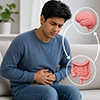
How the Gut-Brain Connection Affects Your Sleep Quality
July 30, 2026
How to Prevent Neck & Chronic Back Pain from Desk Work
July 21, 2026
How Peptide Therapy Helps Your Body Repair & Recover
July 20, 2026
Understanding the Link Between Gut Health & UTIs
July 06, 2026
Natural Back Pain Relief Without Surgery or Medicines
July 02, 2026
Common Signs of Toxin Buildup & Daily Detox Habits
Jun 29, 2026


What Happens During Colon Hydrotherapy & Is It Right for You
April 29, 2026
What is NAD IV Therapy? How Does It Support Aging & Energy?
April 28, 2026
Functional Medicine For PCOS Thyroid Hormonal Imbalance
April 09, 2026
What Is Glutathione & Why Does Your Skin Need It?
April 06, 2026

Common Signs of Vitamin and Mineral Deficiency
February 27, 2026
Is Your Gut Health Affecting Mood Through the Brain Axis?
February 18, 2026
Ozone Therapy 101: Boost Immunity with Medical Oxygen
February 16, 2026